For years, I would wake up early and write about everything people needed to know about inflammatory breast cancer. I wrote about the plans the IBC Network had, why they mattered, and how we needed to execute them. I wrote to educate, to correct misinformation, and to make sure this disease was no longer invisible.
Now the charity is twelve years old. The plans are well formed. The growth is solid. The early years — especially the uncertainty that began in 2020 — were difficult, but we weathered them. We’re in a stable place now. And that stability has given me space to pause and ask a different question: what conversation comes next?
For a long time, my role was a myth-buster.
Have you ever heard of inflammatory breast cancer?
Did you know it’s a fast-moving breast cancer that often presents without a lump?
Did you know women under forty get breast cancer?
Did you know breast cancer doesn’t pause for pregnancy?
Those facts mattered — and they still do. But twelve years in, I feel ready to move beyond awareness alone and into deeper conversations.
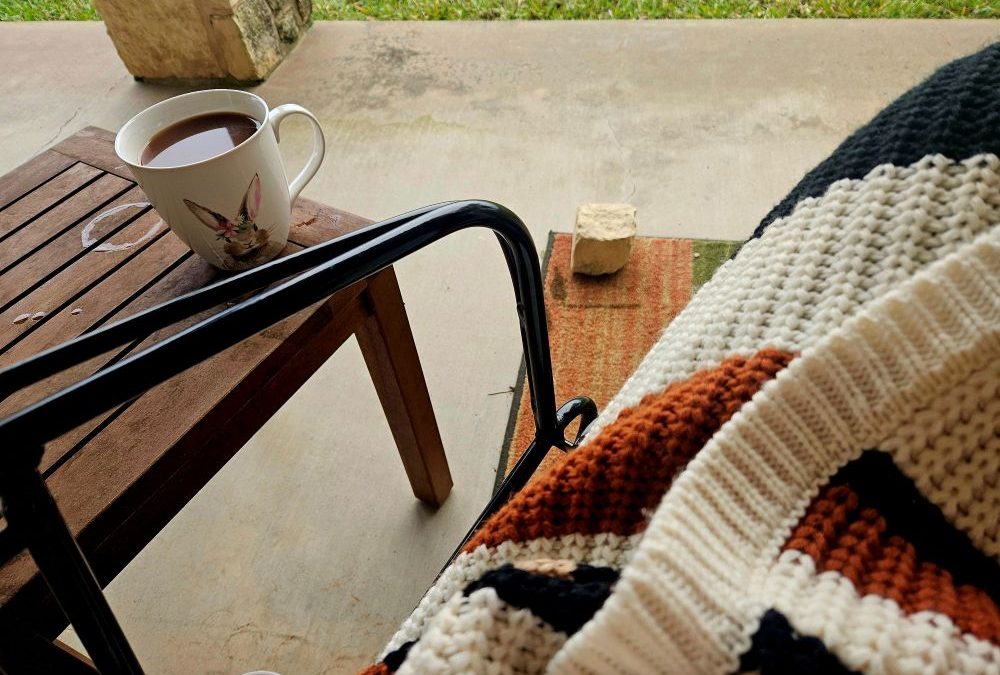
This morning, I’m sitting on my porch in the fog, wrapped in a floor-length kimono-style sweater, coffee in hand, thinking about what I want to write next. I want to go deeper — and I want to hear from you.
As someone who has been through inflammatory breast cancer treatment, I know the story doesn’t end with diagnosis or even survival. There’s a generational impact that rarely gets talked about: the emotional toll on families, what happens to relationships, the strain on partners, the ways careers are disrupted while someone is simply trying to stay alive. Sometimes family members struggle with pain medications. Sometimes new addictions appear. Sometimes the damage is quiet, and sometimes it’s devastating — but it’s real.
These challenges aren’t unique to IBC. They show up across cancer, chronic illness, grief, and trauma. I’ve been thinking about this a lot lately as I read stories of loss and mental illness that echo through families over a lifetime. Grief is not limited to cancer — but cancer often exposes the cracks in systems that were already fragile.
There are many areas where we can do better. Where support falls short. Where families are left to navigate impossible situations alone. But before we can fix those things, we have to be willing to talk about them — honestly and without shame.
That’s where I want to go next.
I want to write about the hard things — and also about the joy. Because realistic hope matters. Peace matters. And joy is not naïve; it’s necessary.
So I’d like to hear from you.
What are the conversations you wish someone would start?
What experiences deserve more light?
What solutions should we be exploring together?
This feels like the right moment to listen — and to move forward, together.